The short version
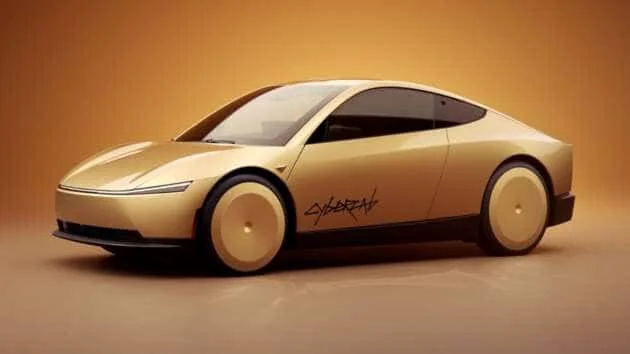
- Tesla lists the two-seat Cybercab at $29,990 before taxes, with a required $299 monthly autonomy subscription after the first month.
- The Cybercab has no steering wheel or pedals and can operate only inside supported Robotaxi service areas.
- Tesla estimates first customer deliveries for December 2026 in Austin, Texas.
Tesla is inviting select US customers to order the two-seat Cybercab for $29,990 before taxes, making it the cheapest car the company has sold. The order requires a $1,000 non-refundable deposit and a $299-a-month Autonomy Subscription after the first month.
The Cybercab cannot be driven by its owner because it has no steering wheel or pedals. Tesla lists regular maintenance and the subscription as required for operation, adding $3,588 per year after the included month.
Initial use is restricted to supported Robotaxi service areas. Owners monitor the car and manage rides through an app, while Tesla AI executive Ashok Elluswamy said owner Cybercabs will drive unsupervised in the same geographic areas as the Robotaxi service.
Tesla’s order page estimates delivery in December 2026 in Austin, Texas. Cybercab rides are currently offered only in Austin, where more than 300 run alongside Model Y robotaxis. Dallas is scheduled to receive Cybercab rides in November.
The car has two adjustable seats, a 21‑inch center touchscreen and 20.1 cubic feet of storage. Its EPA filing lists an approximately 47.6‑kWh battery, a 163‑kW single motor driving the front wheels and a weight of about 3,113 pounds (1,412 kilograms).
The National Highway Traffic Safety Administration opened an audit query in September over how the wheel-less, pedal-free vehicle complies with federal safety standards. Tesla submitted sworn answers to 21 questions on October 30 and asked that the file remain confidential; NHTSA has not announced findings.
How this story was made
Written by the Tach Wire desk from the reporting below, checked against each source and for overlap with their text. Photos: Paul Tan.
0 comments
Comments stay in this browser. They are not sent to the newsroom.