The short version
- A conventional midsize sedan returns 45 mpg at 55 mph but 32 mpg at 75 mph.
- At the source's assumed fuel prices, driving 15,000 highway miles at 55 mph instead of 75 mph saves up to $576 annually.
- A hybrid midsize sedan falls from 46 mpg at 55 mph to 33 mpg at 75 mph.
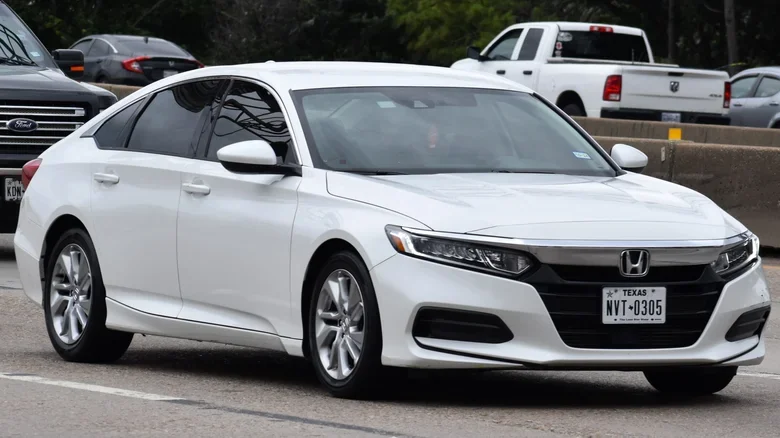
A conventional midsize sedan's fuel economy falls from 45 mpg at 55 mph to 32 mpg at 75 mph, according to government data from Oak Ridge National Laboratory. The higher-speed figure cuts efficiency by 13 mpg on the highway.
Aerodynamic drag is the main reason. Drag depends on air density, frontal area, shape and the square of speed, so increasing speed puts a disproportionate load on the vehicle.
Using a regular-gas price of $4.25 per gallon, the source calculates that a driver covering 15,000 highway miles annually could save as much as $576 by traveling at 55 mph instead of 75 mph.
Diesel cars show a larger drop in the cited figures, from 55 mpg at 55 mph to 37 mpg at 75 mph. At the source's assumed diesel price of $6.35 per gallon, the same 15,000‑mile comparison saves more than $800 per year at 55 mph.
Hybrids are also affected. A hybrid midsize sedan falls from 46 mpg at 55 mph to 33 mpg at 75 mph, while its cited peak is 55 mpg at 45 mph.
Equivalent data for electric vehicles was not provided, but the source says EV range also declines at higher speeds. Boxier trucks and SUVs face a greater high-speed penalty because their larger frontal areas create more drag.
How this story was made
Written by the Tach Wire desk from the reporting below, checked against each source and for overlap with their text. Photos: Photo: Carscoops.
0 comments
Comments stay in this browser. They are not sent to the newsroom.