The short version
- Michelin recommends a professional tire inspection at least annually after tires reach five years old.
- Most manufacturers describe ages six through eight as a higher-risk period and recommend inspections twice a year.
- Manufacturers strongly recommend replacement from eight to 10 years and make it mandatory at 10 years.
The familiar five-year tire rule is still a useful warning, but it is not an automatic replacement deadline. Some tires may remain usable beyond five years, while the risk of age-related problems increases.
Michelin recommends a professional inspection at least once a year after tires reach five years of age. Most manufacturers identify the six- to eight-year period as one of elevated risk and recommend inspections at least twice annually. They strongly recommend replacement between eight and 10 years, with replacement mandatory once a tire reaches 10 years.
Tires age even when a vehicle is parked. Oxygen gradually breaks down rubber compounds, and tiny cracks can develop at a microscopic level before becoming visible. Cracks on a sidewall are a replacement warning because that area carries the vehicle's weight.
Heat, ultraviolet light, ozone and salty conditions accelerate tire aging. Underinflation also creates more heat as the tire rolls. A spare tire stored inside a trunk ages more slowly, while an exposed or underslung spare faces sunlight, rain, dirt and road grime.
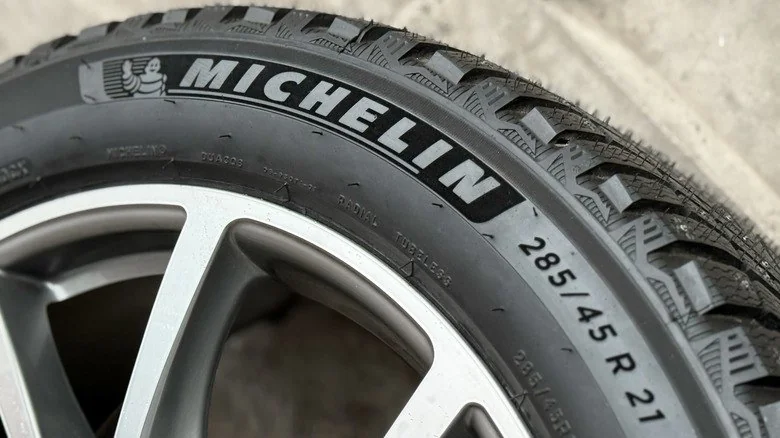
The four-digit sidewall date code identifies a tire's manufacturing week and year, so a tire may already be several months old when installed. Carscoops advises choosing the freshest tires available: for a purchase in 2026, look first for tires made from July through September, with March or April production also acceptable. A late-2025 tire can still be a fair buy, but expect a discount because part of its usable life has already passed.
Low-mileage vehicles can reach age-related risk before their tread wears out. A vehicle driven 5,000 miles or less per year may need replacement even when the tread still looks usable, while one driven 15,000 miles per year may reach the legally mandated tread-wear level before five years.
How this story was made
Written by the Tach Wire desk from the reporting below, checked against each source and for overlap with their text. Photos: Carscoops.
0 comments
Comments stay in this browser. They are not sent to the newsroom.